The NBA’s player development system has long been a point of contention among fans, analysts, and executives. The league continues to thrive in global popularity. However, its methods for preparing young players for the professional game need significant improvement.
The rise of the G League, the NBA’s official minor league, offers a unique opportunity to address this issue. By adopting a player development model similar to Major League Baseball’s (MLB) minor league funneling system, the NBA could unlock untapped potential in its players. This approach could elevate the quality of the league.
The Current Problem in NBA Player Development
In the NBA, most top-tier talent is sourced through the draft. Players come primarily from the NCAA, international leagues, or the G League Ignite program. Unlike MLB, most drafted players in the NBA do not spend significant time in the minor leagues. Many NBA rookies start playing professional basketball immediately.
This approach creates several issues:
- Underdeveloped Talent: Many players enter the league without mastering the nuances of the professional game. This leads to inconsistent performances and stunted career growth.
- Limited Roster Spots: With only 15 players on an NBA roster, many young athletes struggle to find meaningful playing time. They are often relegated to the end of the bench.
- Pressure to Perform: The immense expectations placed on rookies often result in rushed development and unmet potential.
The G League has grown significantly in recent years, but it remains underutilized as a genuine developmental system. Most players in the G League are undrafted. They are fringe NBA players. They are not top prospects funneling through a structured program akin to MLB’s minor leagues.
The MLB Minor League System: A Model of Success
MLB’s minor league system serves as a structured developmental pipeline, ensuring that players are fully prepared before reaching the majors. Players drafted into MLB often start their careers in one of several minor league levels. These levels include Single-A, Double-A, and Triple-A. Their placement depends on their skill level and readiness.
This system provides:
- Gradual Development: Players hone their skills at a pace tailored to their readiness. They work on specific areas of improvement without the pressure of immediate results.
- Consistent Competition: Athletes face opponents at similar stages of development, ensuring meaningful competition.
- Depth for Teams: MLB teams have a pool of talent that is readily available. This pool enables them to replace injured or underperforming players. They do this without relying on raw prospects.
Historical examples highlight the effectiveness of this model. Hall of Famer Mike Trout is widely considered one of the greatest baseball players of his generation. He spent over two years in the minors refining his skills. This was before he became a major league star. This measured approach allowed him to hit the ground running once he reached the majors.
How the NBA Could Implement the MLB Model
The NBA is uniquely positioned to adopt a similar system using the G League. Here’s how it could work:
- Mandatory G League Stint for Draft Picks: Every player drafted into the NBA must spend at least one season in the G League. This rule helps them acclimate to the professional game. It also allows them to work on their weaknesses and gain consistent playing experience.
- Tiered Developmental Levels: The G League could establish multiple tiers of competition, similar to MLB’s Single-A, Double-A, and Triple-A system. Younger or raw talents could start in lower tiers, while more polished players could compete at higher levels.
- Call-Ups Based on Readiness: Teams could call up players to the NBA roster based on performance and readiness. They would prioritize readiness over necessity or draft status. This would ensure that only players prepared for the professional level join the league.
- Integrated Coaching and Systems: NBA teams would fully integrate their G League affiliates into their system. They would use the same playbooks, terminology, and philosophies. This would create a seamless transition for players moving between leagues.
Historical Examples Supporting This Model
Several NBA players would have benefited from a more structured developmental pipeline:
- Kwame Brown (2001 No. 1 Overall Pick): Drafted straight out of high school, Brown struggled with the physicality and expectations of the NBA. A mandatory G League stint could have provided him with the time and space to develop his game and confidence.
- Anthony Bennett (2013 No. 1 Overall Pick): Widely considered one of the biggest draft busts in NBA history, Bennett entered the league unprepared. A minor league system could have helped him refine his skills and adjust to the professional level.
- Giannis Antetokounmpo (2013 No. 15 Overall Pick): While Giannis is now an MVP and champion, he began his NBA career as a raw prospect. A year or two in the G League could have accelerated his development.
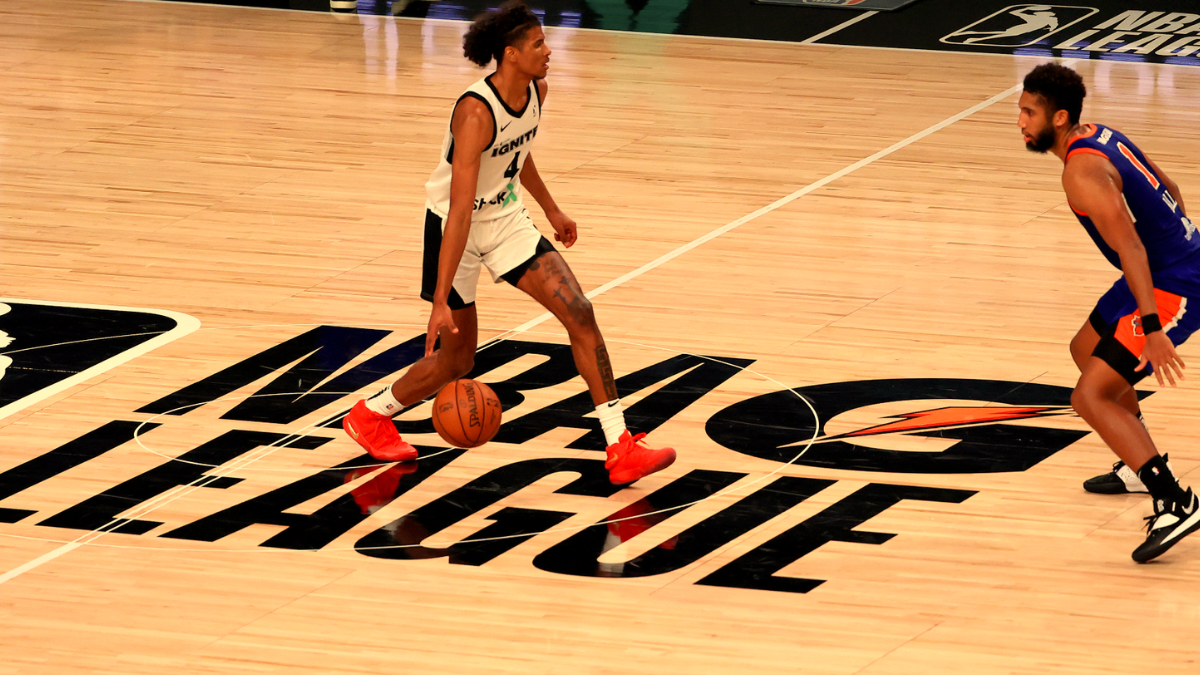
On the flip side, the G League Ignite program successfully prepares prospects like Jalen Green and Scoot Henderson. This success demonstrates the potential of a structured developmental system.
These players received high-level coaching, competition, and preparation before entering the NBA, illustrating the benefits of a minor league-style approach.
The Benefits of an NBA Minor League System
- Elevated Talent Pool: Ensuring players are fully prepared before reaching the NBA will elevate their skills. As a result, the league would see a higher overall level of play.
- Reduced Pressure on Rookies: Players could develop at their own pace. They would not face the immediate burden of contributing at the professional level.
- Greater Role for the G League: This system would elevate the G League’s importance, driving fan engagement and revenue.
- Better Team Depth: NBA teams would have a reliable pool of talent. They can draw from this pool in case of injuries or roster changes.
The NBA has the tools to revolutionize its player development system. Adopting an MLB-style minor league model could be the key.
The NBA would require all drafted players to begin their careers in the G League. This would create a structured pipeline for talent development. It would ensure that players are fully prepared for the rigors of the professional game.
This approach would benefit the players. It would also enhance the overall quality of the league. This change provides fans with a more competitive and polished product.
The NBA needs to take the next step in player development. It should fully embrace the potential of the G League.