
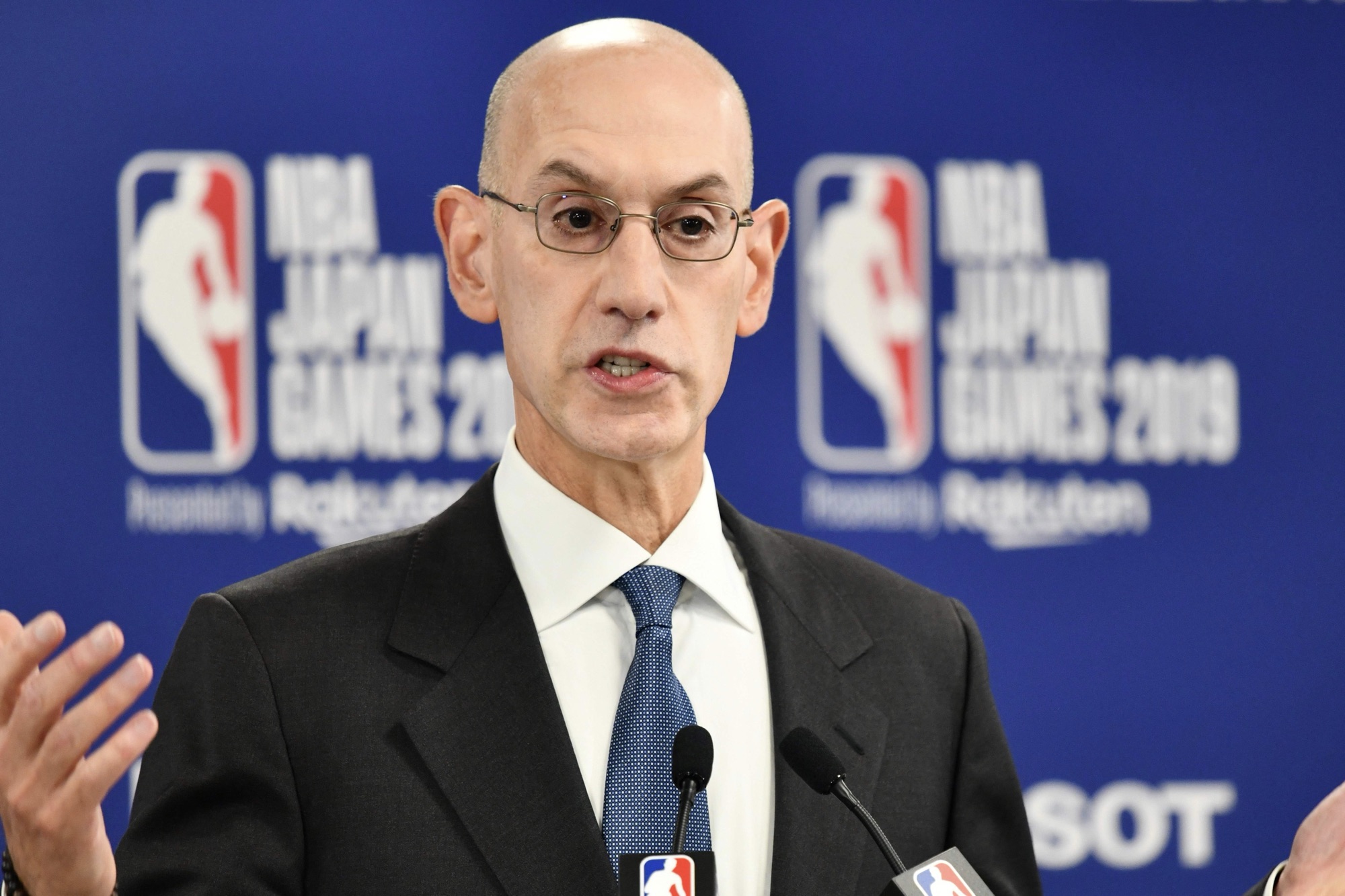
The NBA’s highly publicized $76 billion, 11-year media deal with Disney, NBCUniversal, and Amazon Prime was expected to bolster the league’s reach and revenue. However, initial viewership figures paint a troubling picture, highlighting issues that threaten to undermine the game’s popularity.
A Steep Drop in Viewership Numbers
Despite aggressive marketing, the 2024 playoffs saw a sharp viewership decline, averaging just 4.53 million viewers—a 12% drop from 2023. For a league accustomed to growth, this dip raises alarms. Historically, the NBA thrived off rising TV ratings, especially during landmark agreements in 2014 and previous years, where fan engagement grew alongside major broadcast deals.
The Complexity of Streaming Services
One major factor contributing to the drop is the fragmented streaming landscape. The new deal splits coverage among multiple platforms, requiring fans to subscribe to Disney’s offerings, NBC’s streaming services, and Amazon Prime Video to access games. This splintered model comes at a significant cost. The days of relying on a singular network for NBA coverage have vanished, replaced by complex and pricey subscription bundles. As a result, casual viewers are opting out, unwilling to pay for multiple platforms just to follow the action.
The issue is further compounded for fans who are accustomed to traditional cable viewing. The switch to streaming demands technological adaptation and a financial commitment, frustrating many longtime viewers.
Decline in the Quality of Play
Adding to the NBA’s woes is criticism regarding the quality of the game itself. Fans and analysts alike have observed that the modern NBA is increasingly dominated by three-point shooting and a lack of defensive intensity, leading to a less varied and more predictable product. Legendary players and analysts have remarked on the diminished physicality and the league’s drift from traditional styles, which once featured a robust balance of offensive and defensive dynamics.
In recent seasons, the emphasis on analytics and the prevalence of three-point shots have changed the game’s character, alienating fans who crave the physical and defensive battles of past decades. Combined with inconsistent officiating and a growing perception that regular-season games are less meaningful, this has led to a feeling of monotony for some viewers.
Historical Context and Concerns
To appreciate the impact of this downturn, it’s essential to understand the NBA’s viewership history. In the 1980s and 1990s, the league saw exponential growth, thanks to icons like Michael Jordan, Larry Bird, and Magic Johnson. Landmark television deals boosted visibility, turning the NBA into a global phenomenon. More recently, the 2014 contract with Disney and Turner Sports brought in $24 billion, sparking a new era of expansion. Yet, today’s struggles suggest that the growth may have hit a ceiling amid evolving viewer habits and economic concerns.
The Challenge Ahead
The NBA is at a crossroads. While the new media deal promises to infuse billions into the league and increase global outreach, the reality is that viewership decline could negate these gains. Addressing this issue may require a return to simpler broadcasting solutions and a renewed focus on improving game quality. Without adjustments, the NBA risks alienating both die-hard fans and casual observers.
Ultimately, the league’s ability to adapt to an increasingly digital and economically conscious audience will determine its future success. For now, the battle between innovation and accessibility rages on, leaving fans—and the NBA itself—wondering what’s next.

One thought on “NBA Viewership Declines Despite New Media Deal”