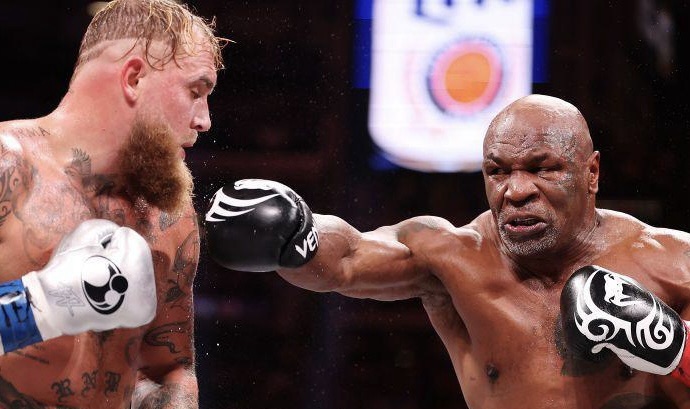
In a groundbreaking move for both streaming and sports, Netflix will host its first major live boxing match featuring former heavyweight champion Mike Tyson and YouTuber-turned-boxer Jake Paul. The match, set to air without the traditional pay-per-view fees, signals Netflix’s ambition to compete with traditional sports broadcasters and disrupt the pay-per-view model that has long dominated the boxing industry.
The Streaming Shift
Netflix’s foray into live sports began with experimental events, including The Netflix Cup (a golf collaboration between Formula 1 and PGA Tour athletes) and The Netflix Slam (a tennis showcase between Rafael Nadal and Carlos Alcaraz). While these early efforts brought moderate success—recording viewership of about 700,000 to 1.7 million per event—the Tyson-Paul fight is anticipated to reach unprecedented numbers.
Jake Paul has optimistically predicted that the bout could draw 25 million viewers. While this estimate is ambitious, even a fraction of that viewership would surpass historic benchmarks in boxing. For context, the 2015 Floyd Mayweather vs. Manny Pacquiao fight remains the most-watched boxing match, with 4.6 million U.S. pay-per-view buys and over $400 million in revenue. Analysts believe that the widespread reach of Netflix, with over 280 million global subscribers, could set a new viewership record, transforming how fans access marquee boxing events.
A Strategic Play for Netflix
Netflix’s shift to live sports is strategic, especially in an increasingly competitive streaming market where subscriber growth has plateaued. By investing in sports, Netflix aims to expand its audience and engage demographics that may not be as interested in movies or series but are avid sports fans.
The company has already secured high-profile sports deals, such as a 10-year agreement for WWE programming and a multi-year collaboration with the NFL for exclusive holiday games.
The Tyson-Paul fight serves as a high-profile debut for this strategy. The intergenerational appeal of Tyson, one of the sport’s legends, combined with Paul’s viral marketing power, positions the event as a cultural spectacle. Critics have raised concerns about the spectacle-driven nature of these matches, which some argue prioritize entertainment over athletic legitimacy. However, others recognize the event’s potential to reinvigorate boxing’s global profile and introduce the sport to millions of new viewers.
Boxing’s New Era
Boxing has seen a recent resurgence, largely fueled by celebrity and influencer matches that attract a younger audience. Paul’s previous matches have drawn millions, and his Most Valuable Promotions company has been instrumental in this resurgence. Meanwhile, Tyson’s return at 58 years old carries nostalgic weight, bridging generational gaps and enticing both traditional boxing fans and younger digital audiences.
Regardless of the outcome of this event, it could influence the future of sports broadcasting. If successful, it may prompt other streaming platforms to follow suit, leading to an era where major sporting events become staples of subscription services rather than exclusive pay-per-view purchases. As Netflix continues its strategic pivot, all eyes will be on whether Tyson vs. Paul delivers a knockout performance.